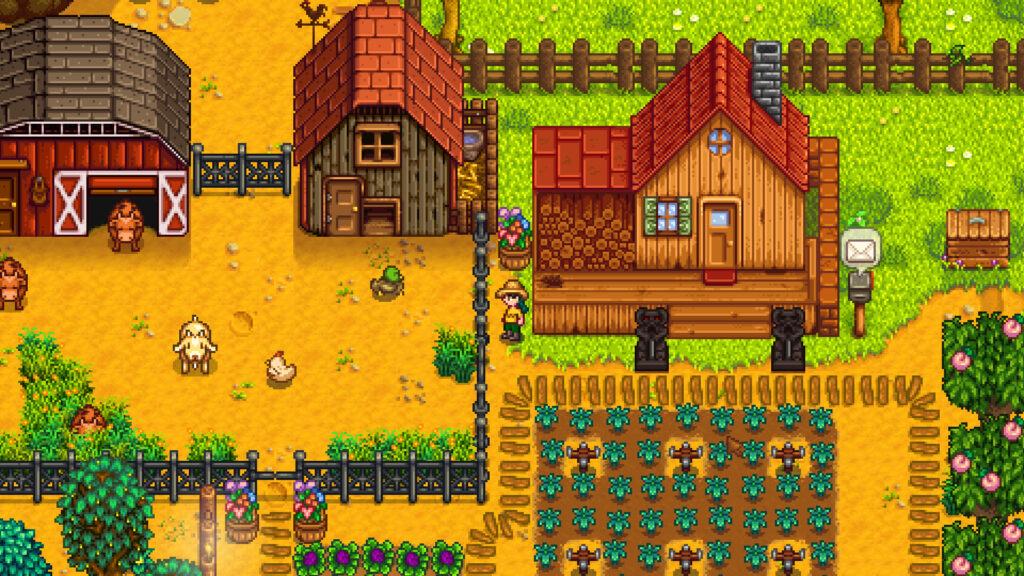
You bought an Auto-Grabber, stopped visiting the barn as often, and expected the whole animal routine to take care of itself. The name promises less work, but the device handles one part of that work. It is not an Auto-Petter, and neither machine replaces every check an animal needs.
Identify the chore before choosing the upgrade
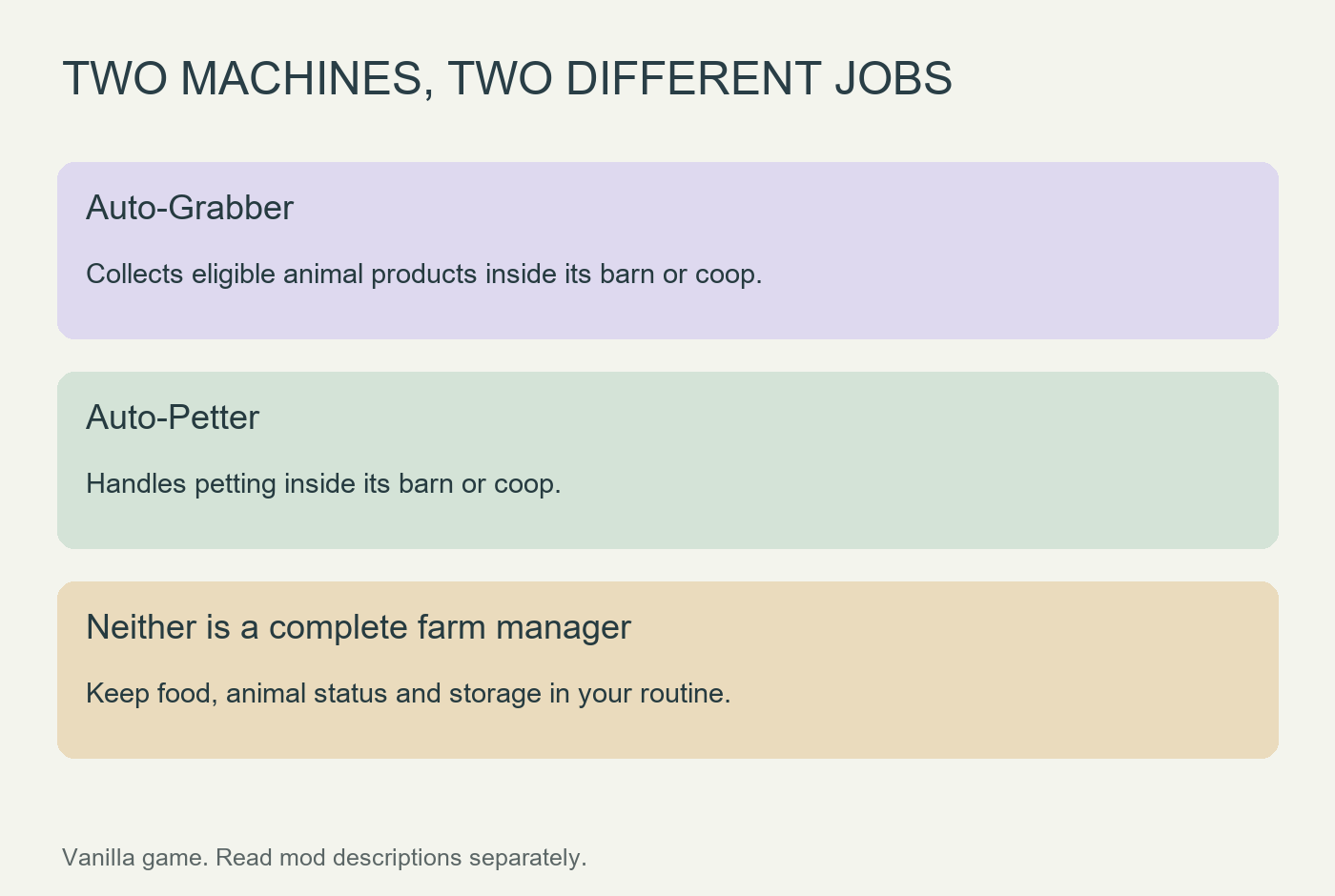
If picking up eggs and collecting milk is the part you want to remove, look at the Auto-Grabber. It collects eligible animal products inside the barn or coop where it is placed. Marnie sells it for 25,000g after Farming level 10.
That makes location part of the purchase decision. Put it in the building whose products you intend to collect; it is not a farm-wide device simply because you own one. If two buildings have different routines, inspect each separately instead of assuming the second building inherited the first one’s automation.
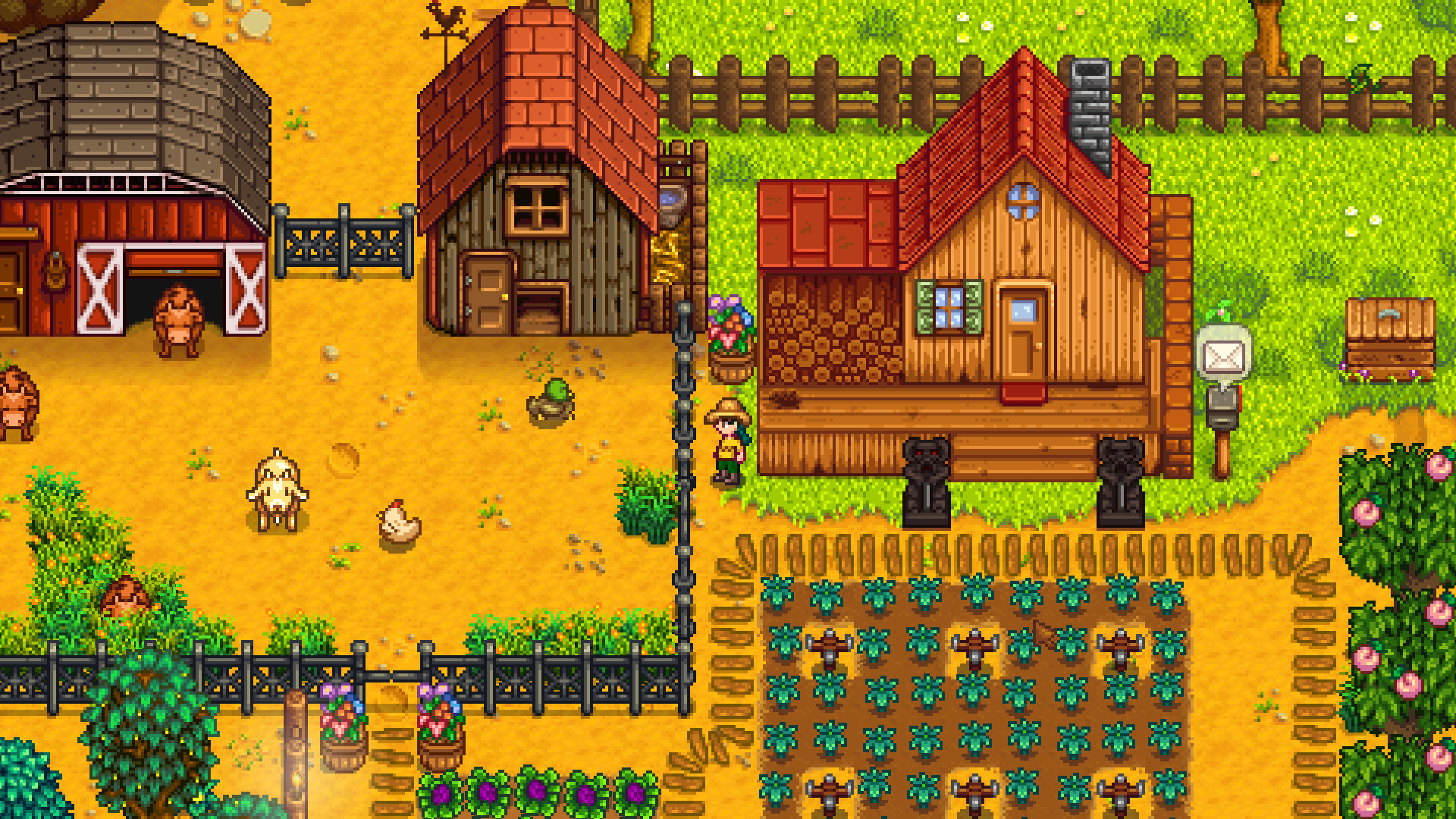
An Auto-Grabber changes collection, not affection
Open the device and check its contents as part of your processing route. It holds 36 inventory slots; leaving products inside indefinitely can turn time saved collecting into time spent sorting a full machine. When completely empty, it cannot be opened, which can make a new installation look unresponsive.
Automatic milking or shearing also means you are not performing the manual interaction that gives its own friendship benefit. You can still pet animals. If relationships are the concern, checking only the product container does not answer that concern.
For a simple routine, collect the stored products when you visit your processing machines, then check the animals themselves. Do not buy a second collection device as the first response to a relationship problem.
An Auto-Petter does not collect the milk
The Auto-Petter automatically pets animals in the barn or coop where it is placed. It prevents the friendship and mood loss associated with missing that petting, but its friendship gain is smaller than manual petting. Manual attention can still add to its effect.
This is useful if petting is the chore you regularly miss. It does not perform the Auto-Grabber’s collection job, and obtaining one depends on your game’s progression and available routes. Before following a shopping instruction, check whether that route exists in your own save.
Keep a short animal check after automating
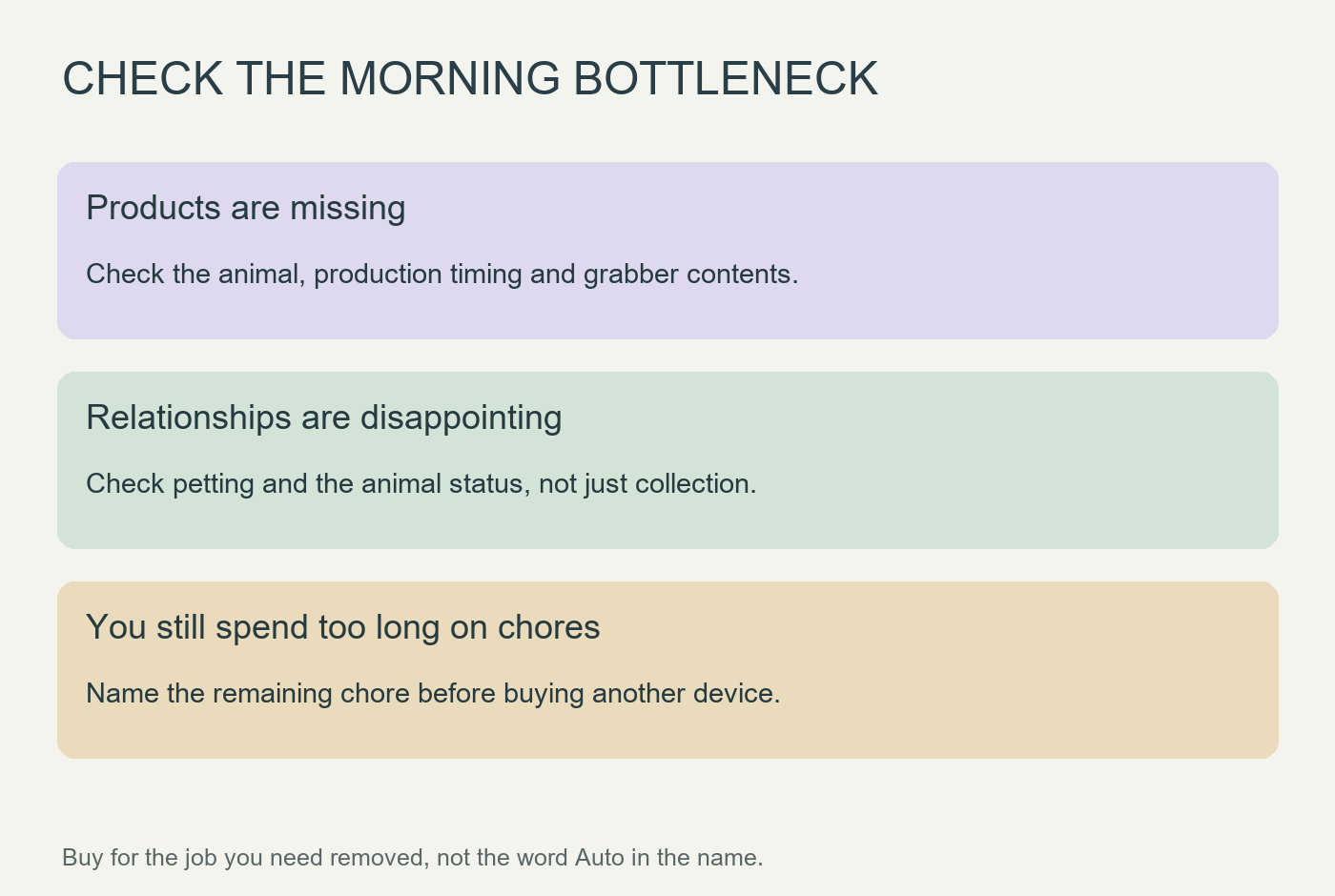
Use the animal status to separate friendship, mood and age from the presence of a product. A young animal and a mature one are not expected to produce in the same way. An empty collection device alone is not proof of a broken device.
Keep food availability and animal status in your morning check. Then identify what still consumes time: collection, petting, moving goods or processing them. This gives the next purchase a purpose. The useful upgrade is the one that removes your actual bottleneck while leaving you able to notice a new problem.