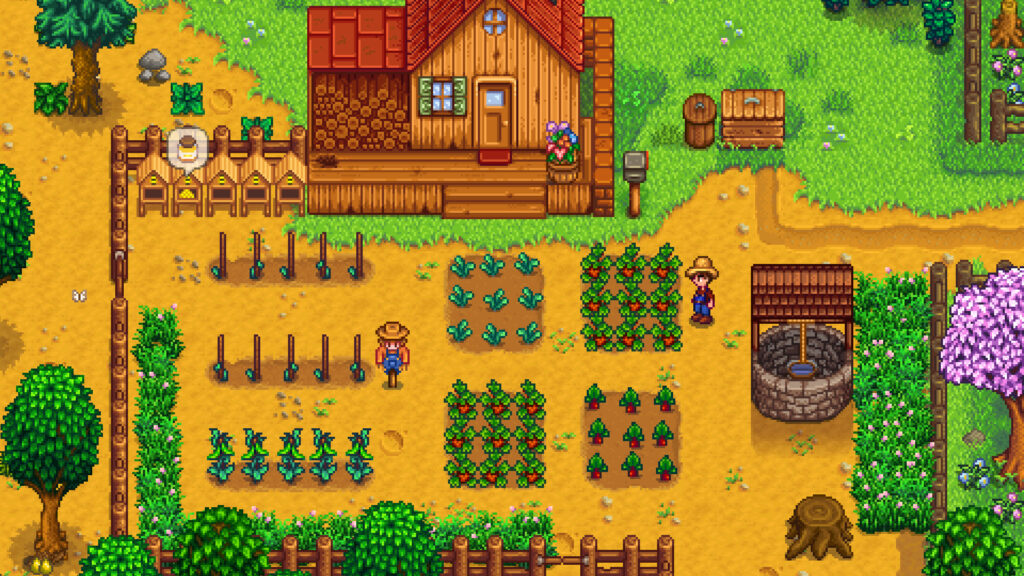
A crop can be profitable on a full-season spreadsheet and still be a bad purchase on the twenty-fourth. Before buying another batch of seeds, calculate when its first harvest can happen on your farm. The worked example below uses ordinary outdoor spring parsnips, daily watering and no growth-speed bonuses. It is a calendar calculation, not a promise of income or protection from every farm hazard.
| Plant and water | Four-night harvest | Fits spring? |
|---|---|---|
| Spring 23 | Spring 27 | Yes; one day of calendar margin |
| Spring 24 | Spring 28 | Yes; no missed-watering margin |
| Spring 25 | Beyond spring | No, for ordinary outdoor parsnips |
Count nights after planting, not the planting day
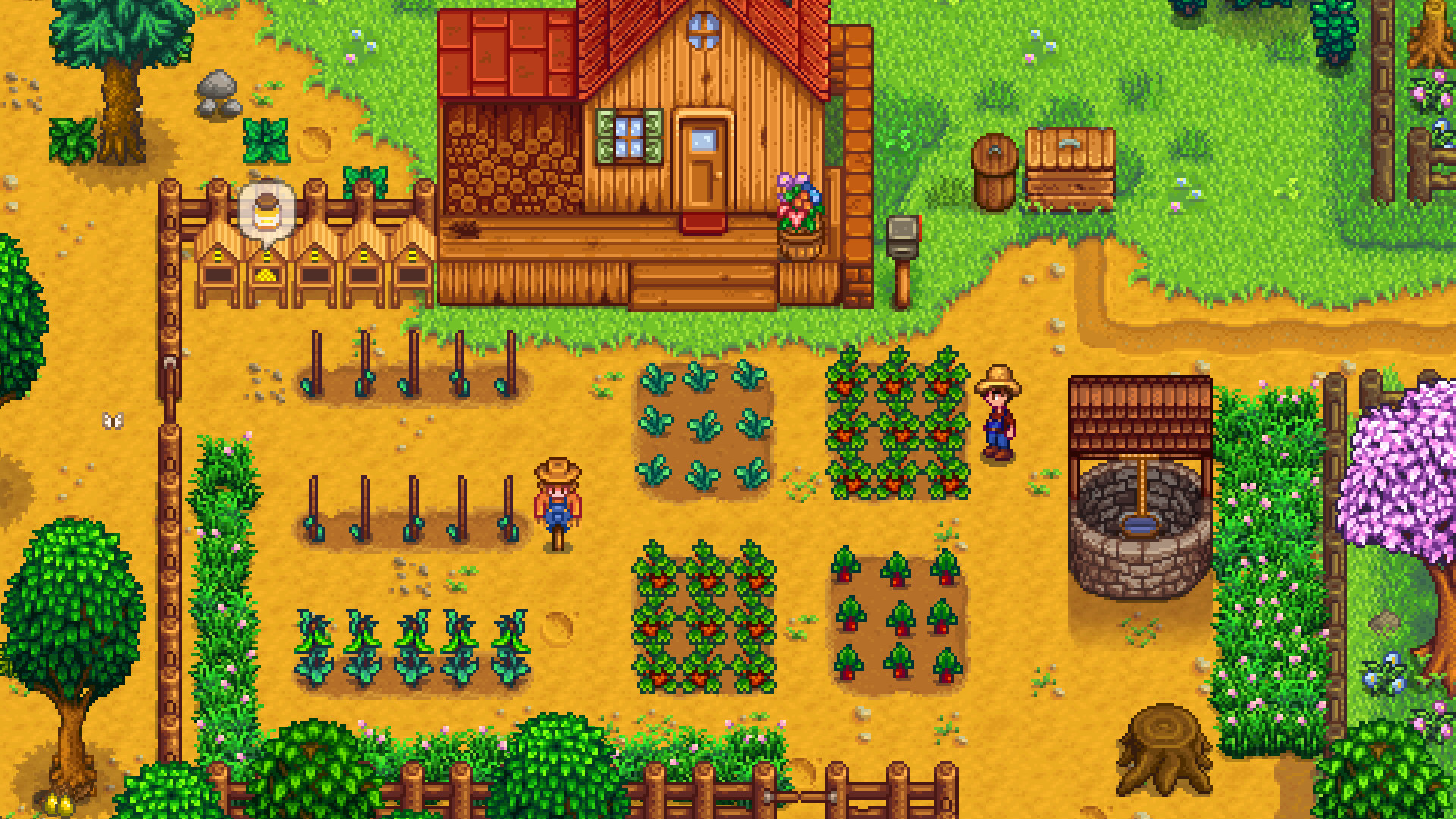
The crop guide excludes the planting day from its growth time. For this simple case, add the listed growth duration to the planting date. Parsnips take four days: planting and watering on Spring 24 gives a first harvest on Spring 28. Planting on Spring 25 would push that calculation past spring.
Write the equation beside your shopping decision: planting day + growth days = first harvest day. Then state the assumptions underneath it. If you use growth-speed fertilizer or the Agriculturist profession, use the crop’s appropriate growth calendar instead of quietly applying the ordinary number. A correct formula with the wrong inputs still produces the wrong buying decision.
Separate the crop’s deadline from your available watering days
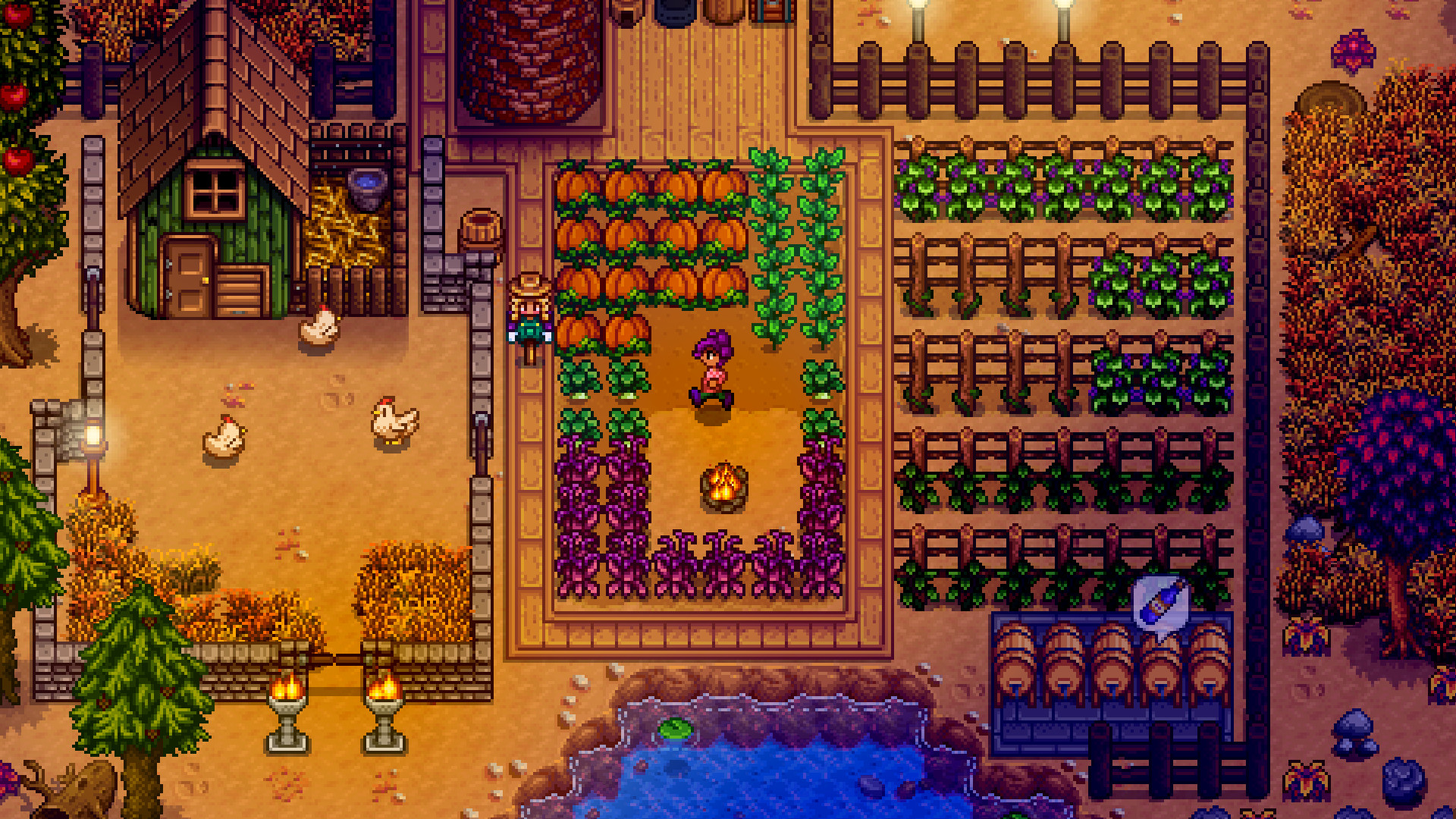
A seed planted in dry soil does not gain its first night of growth until it is watered. Missing irrigation delays growth rather than instantly killing an immature crop. That means a plan which just fits the end of spring has no allowance for a missed day. The calendar margin matters even when the seed price looks small.
Use a short purchase note with four fields: crop, planting date, expected harvest, spare days. On Spring 23, ordinary parsnips have one day of margin before the final harvest date; on Spring 24, they have none. If tomorrow is already committed to a tool upgrade or an unfamiliar schedule, decide whether you really want a zero-margin planting rather than treating the mathematical deadline as a recommendation.
Check the season exception before throwing a crop away
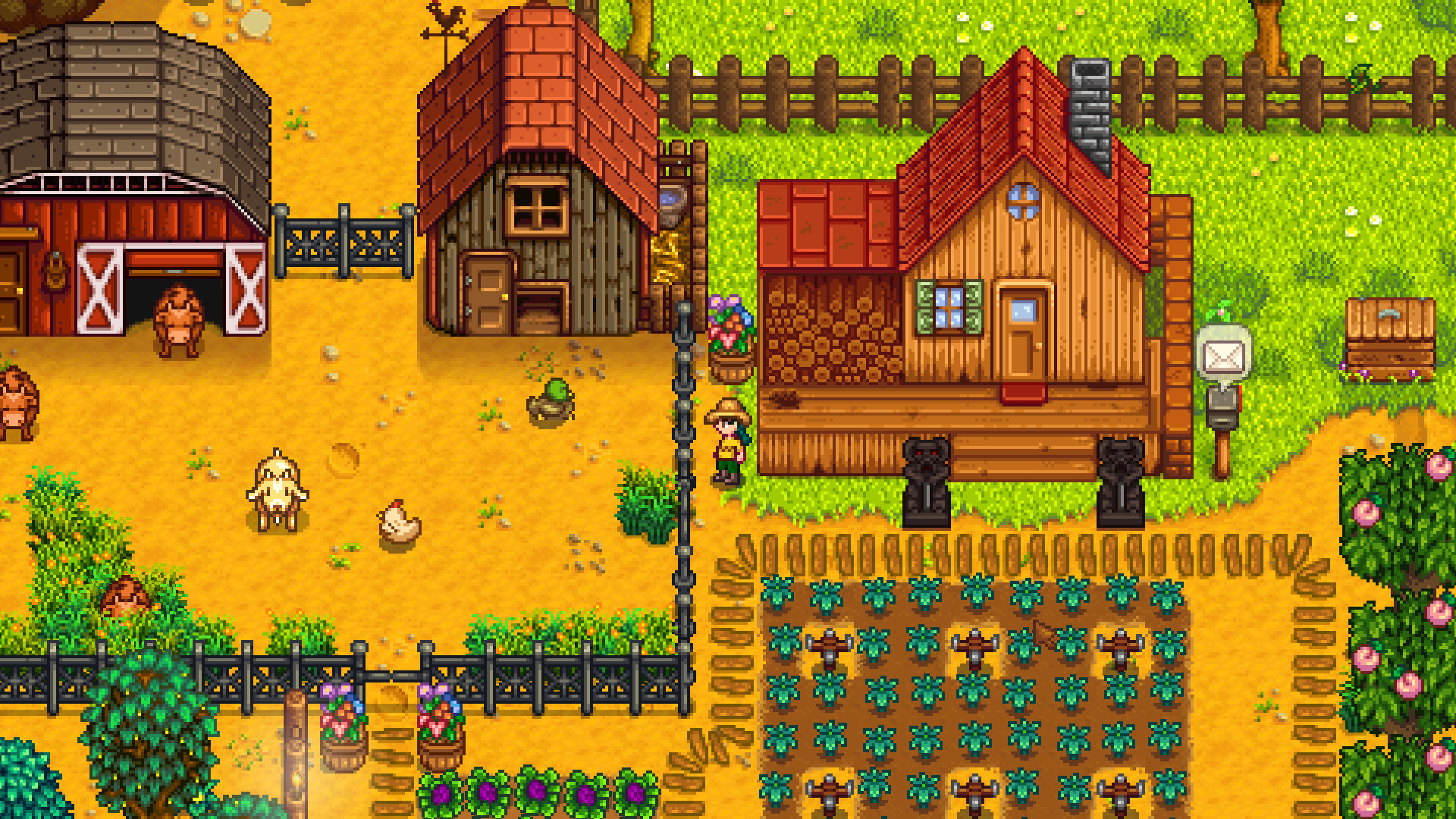
Seasons last twenty-eight days. Most outdoor crops cannot continue into an incompatible season, but multi-season crops have exceptions: corn, for example, spans summer and fall. Do not generalize a spring-parsnip deadline to every seed bag. Read the seasons listed for the actual crop you are considering.
Likewise, this example is not a greenhouse schedule. Keep separate notes for ordinary outdoor beds and other growing environments. The practical question is whether this plant, in this location, can remain productive after the date you calculated. A player choosing seeds for a bundle may accept a different financial return from one choosing a cash crop, so write the purpose before comparing profit figures.
Make a planting decision you can check the next morning
Before leaving the seed shop, confirm that you can prepare and water every purchased tile that day. A smaller batch that follows your stated schedule is easier to manage than a large batch whose first night of growth is uncertain. Keep enough money aside for the next season rather than assuming a late harvest will fund everything on time.
The following morning, inspect the field and compare it with your note. If a watering day was missed, move the expected harvest date rather than continuing to rely on the old estimate. If the revised date no longer fits, stop buying more of the same crop for that plan. The useful outcome is not a universal best crop: it is knowing exactly why this particular batch can or cannot finish.