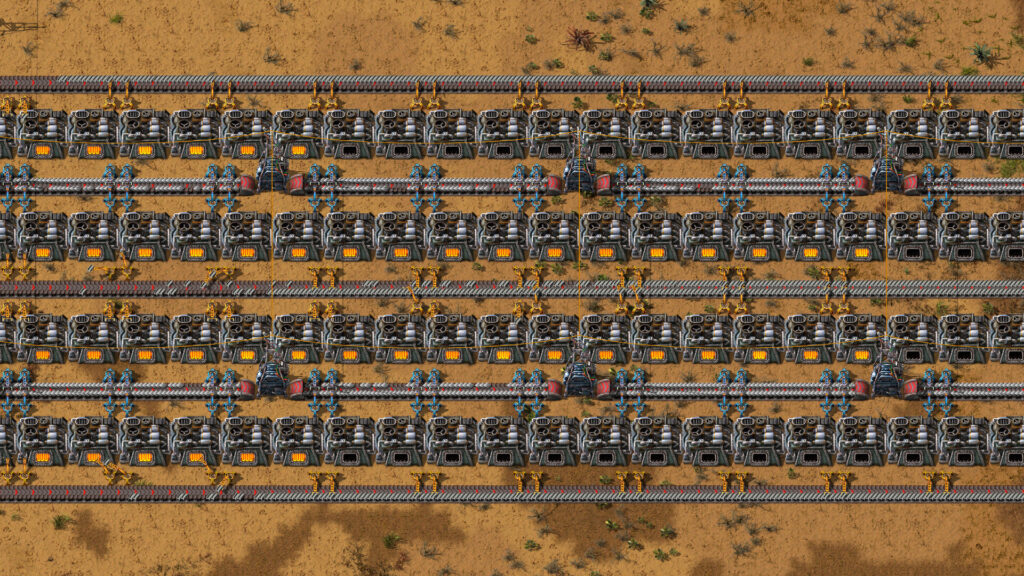
An inserter that stops moving can be doing exactly what it should. Before replacing belts, isolate one machine and ask three questions: is there an acceptable item to collect, is the destination ready to receive it, and is the inserter allowed and powered to work? That order keeps a small fault from becoming an unnecessary factory rebuild.
Start with one machine and one missing result
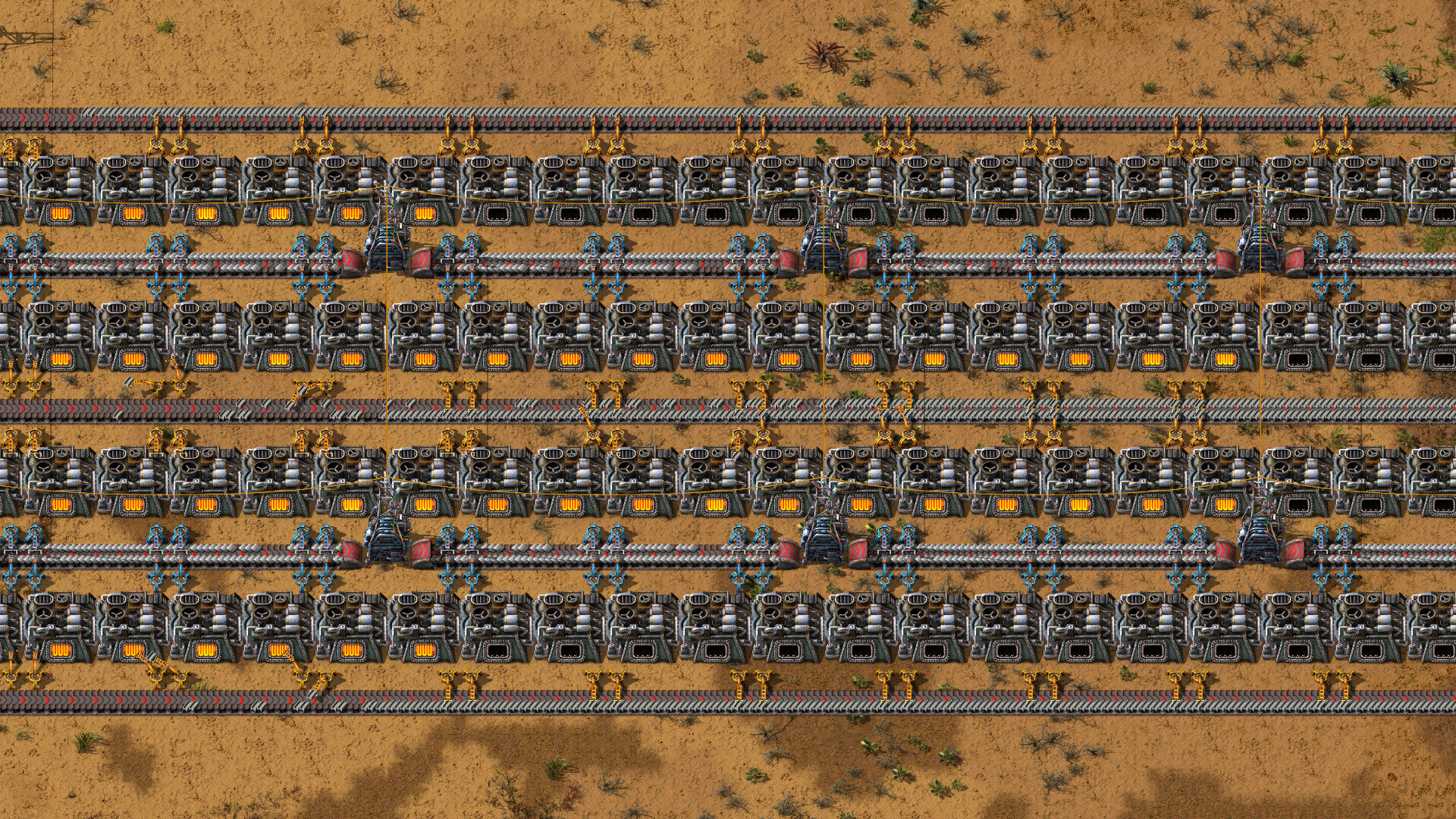
Choose a machine whose output you expected to increase. Open it and inspect the recipe, ingredient inventory and output inventory together. Write a short observation such as “missing copper, other ingredients present” or “finished products waiting.” Avoid beginning with “the belt is too slow,” because that is a diagnosis you have not yet established.
If every ingredient is absent, follow the supply route back toward its source. If only one is missing, trace that item first. The useful boundary is where the required item stops appearing. Rebuilding the last belt tile beside the assembler cannot create material that never entered the line. Take a screenshot before changing the layout so you can compare the same point afterward.
Distinguish a satisfied input from a blocked output
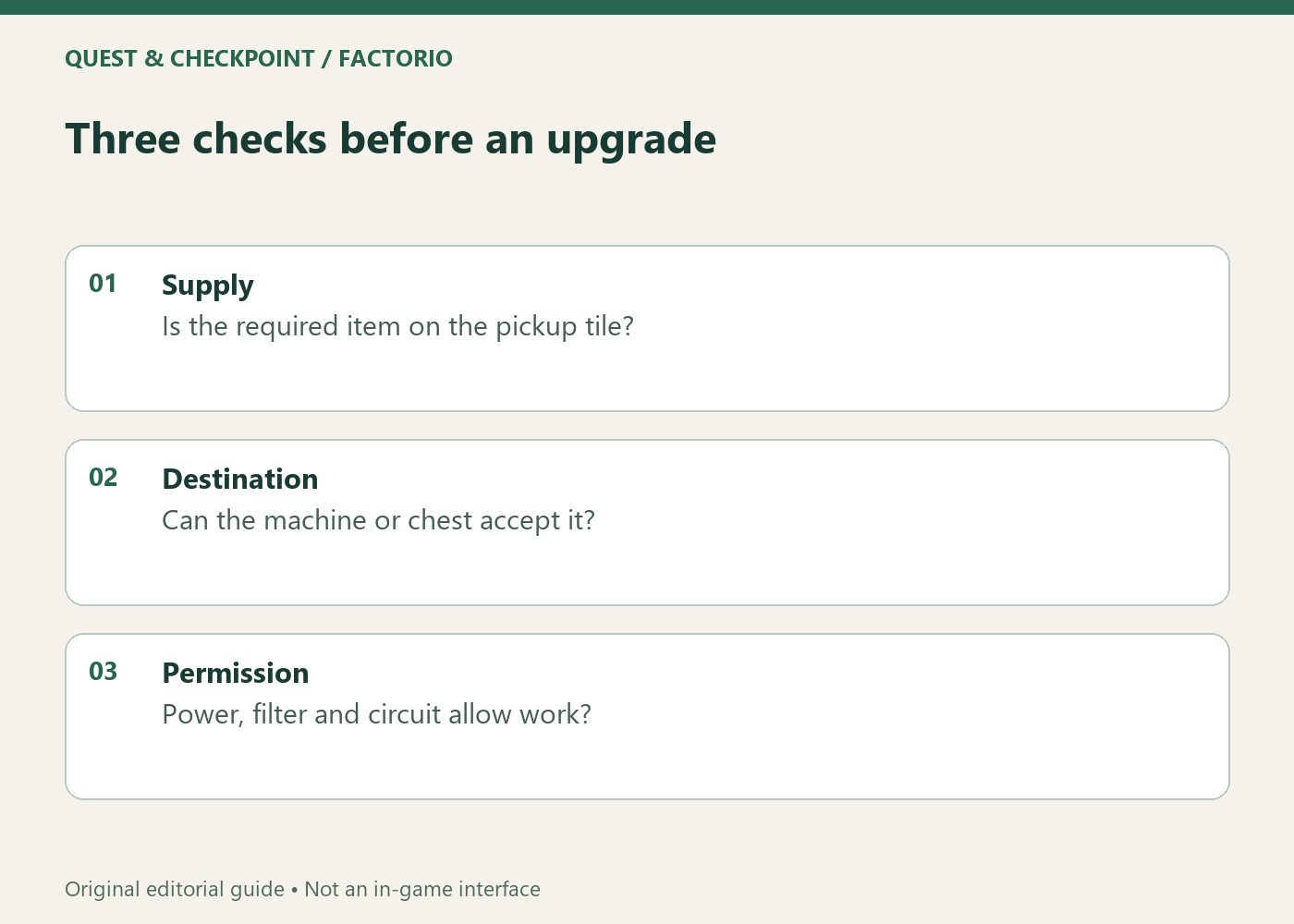
Inserters do not keep filling a production machine indefinitely: automatic insertion has recipe-dependent limits. A paused input inserter beside a machine that is working can therefore be normal. The inserter mechanics also require the target to accept the item. A wrong ingredient or incompatible recipe is not a request for a faster arm.
Now inspect the other end. If products cannot leave, solve that destination problem before adding more input capacity. For example, imagine an assembler with finished products waiting and a chest whose allowed slots are full. Emptying or correctly configuring that destination is a targeted change; replacing an upstream belt would leave the same blockage in place.
Check the arm’s permission and its actual pickup tile
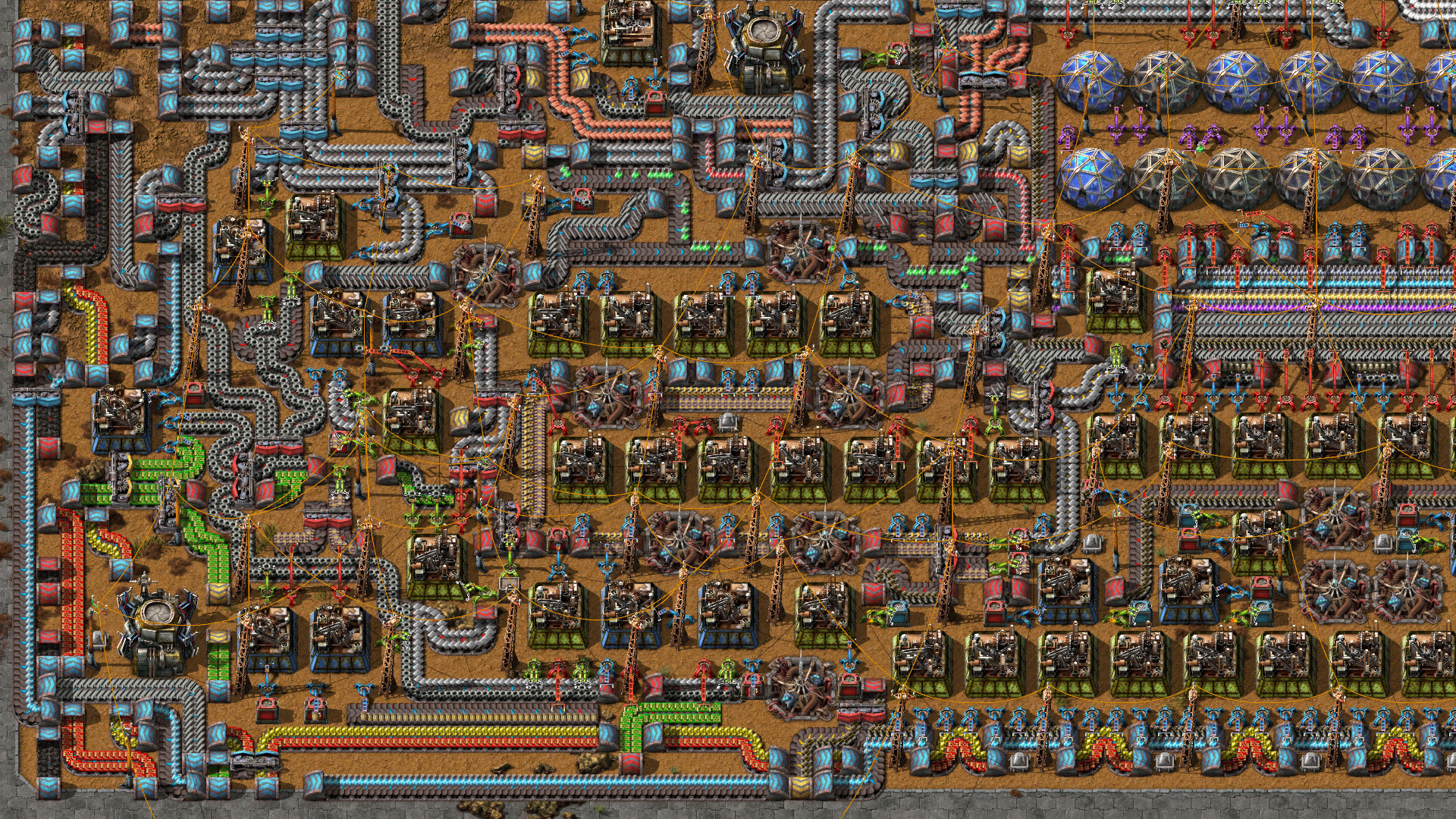
If the machine needs an item and the item is present, inspect the inserter itself. Check its orientation, pickup and drop positions, filter settings and any circuit condition. Then inspect power or fuel as appropriate to the inserter type. A visually nearby item is not necessarily on the tile the arm can reach.
Make the test small: change the one setting that contradicts your intended flow, then watch this machine complete work. If a filter was wrong, correct the filter rather than removing every filter in the production block. If a circuit is deliberately disabling the arm, understand the signal before bypassing it; the pause may protect a useful control elsewhere.
Upgrade only after observing a capacity problem
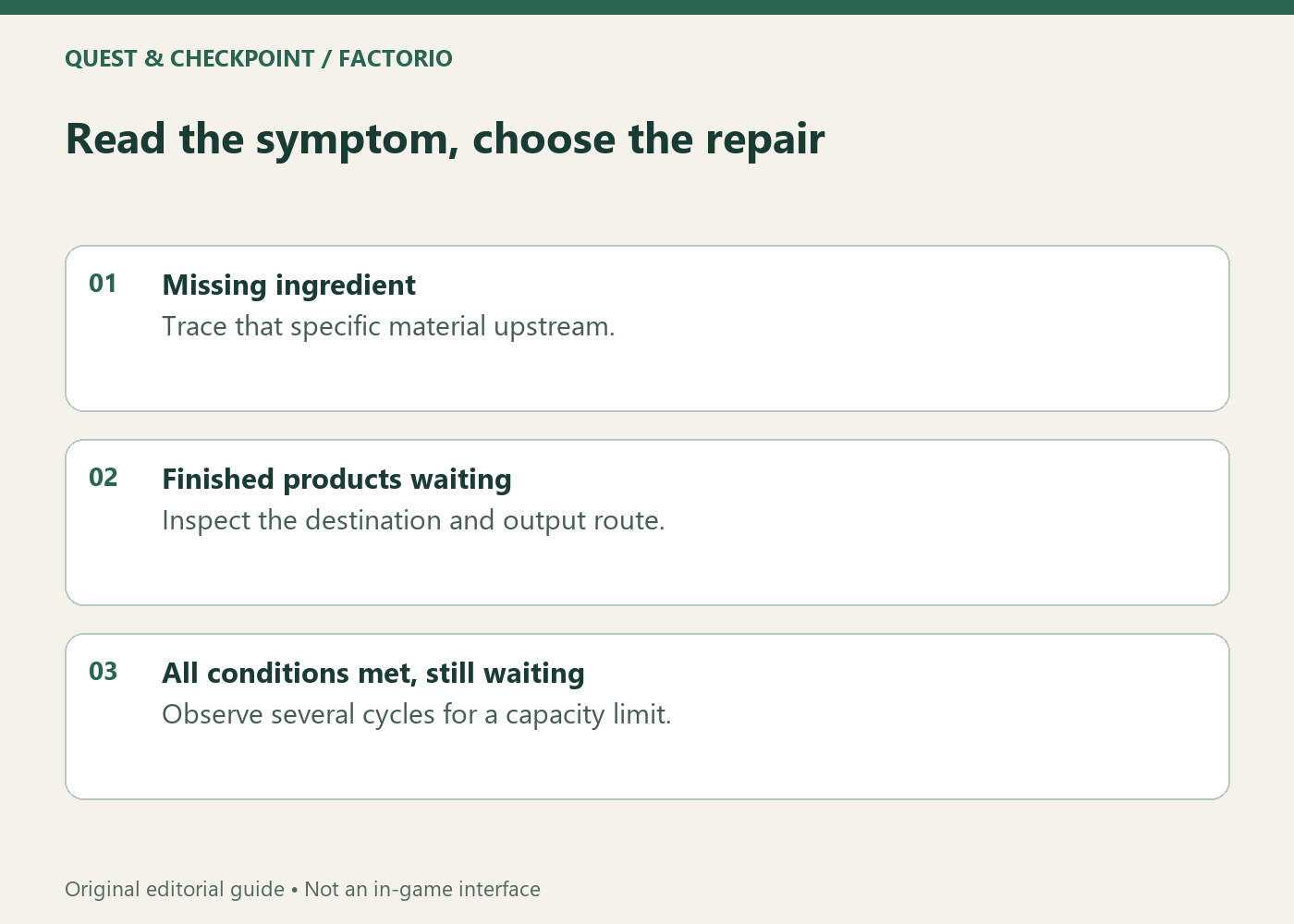
A capacity question starts after the prerequisites are satisfied. The right item reaches the pickup, the destination can receive it, power is available and the arm is enabled, yet the machine repeatedly waits for deliveries. Observe several cycles rather than a single pause, and check whether the bottleneck is pickup, transport or production upstream.
Keep a three-line repair note: symptom, change, result. “Missing iron; restored the disconnected feeder; machine now completes repeated cycles” is more useful than “upgraded everything.” If the result did not change, undo the speculative modification and return to the last confirmed observation. The goal is a working explanation you can reuse at the next stalled machine.